Neurodiversity in Ethnically Diverse Families
Specialist training exploring race, culture and neurodiversity and helping professionals provide culturally responsive support to children, young people and families.
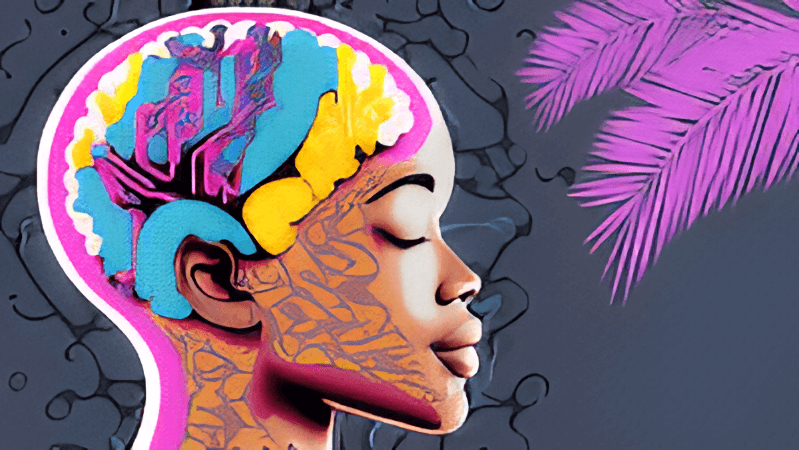
Specialist training exploring race, culture and neurodiversity and helping professionals provide culturally responsive support to children, young people and families.
Understanding neurodiversity requires us to consider more than neurological difference alone. Race, ethnicity, culture, language, family experience and access to services can all influence how neurodivergence is recognised, understood and supported.
Children and young people from ethnically diverse communities may experience additional barriers when seeking assessment, education, healthcare or family support. Their parents and carers may also encounter assumptions about culture, parenting, behaviour or their understanding of neurodiversity.
This specialist course helps professionals develop a culturally responsive and individualised approach to supporting neurodivergent children, young people and their families.
A child's neurodivergence cannot be separated from the rest of their identity and lived experience. Effective support requires curiosity about the individual, their family and their circumstances rather than assumptions based on either ethnicity or neurotype.
Neurodivergent people exist within every racial, ethnic, cultural and faith community, but experiences of recognition, diagnosis and support are not necessarily the same.
Cultural expectations may influence how behaviour is understood, how families talk about disability or neurodivergence and whether particular difficulties are recognised as requiring additional support.
Professionals must also consider how their own assumptions, service structures and established ways of working can influence the experience of families.
Culture can be relevant, but it should not become an explanation for everything a professional observes.
Statements such as "families from that community don't believe in autism" or "that's just cultural" can obscure significant differences between families and prevent professionals from understanding the individual's actual circumstances.
Culturally responsive practice involves asking respectful questions, listening to families and recognising diversity within communities as well as between them.
This course is suitable for professionals and organisations working with ethnically diverse children, young people and families, including those working within:
A child or young person's route to support can be affected by many factors. Families may have different levels of familiarity with education, health and social-care systems, while language, previous experiences of services, trust and accessibility can influence whether support feels available.
Bias and assumptions may also affect how behaviour is interpreted.
Professionals therefore need to consider whether apparent differences in engagement are being understood accurately and whether services themselves are creating unnecessary barriers.
Notice where culture, race, language, disability and neurodivergence may interact without reducing somebody to a label.
Understand the perspectives of children, young people, parents and carers rather than assuming what their experiences mean.
Adapt communication and support so that services are accessible, respectful and responsive to individual circumstances.
Families may use different language to describe behaviour, disability, learning needs or neurodivergence.
Some parents may already have extensive knowledge of autism, ADHD or other forms of neurodivergence. Others may be encountering these concepts for the first time. Some may understand their child's experiences differently from the professionals supporting them.
Professionals should avoid interpreting questions, uncertainty or disagreement automatically as denial or unwillingness to engage.
Good practice involves explaining information clearly, listening to the family's perspective and developing shared understanding wherever possible.
Communication difficulties can arise when professional terminology is unfamiliar, when English is not a family member's first language or when services rely heavily on written information.
Professionals should consider whether families have genuinely been given an accessible opportunity to understand information, ask questions and participate in decisions.
Where interpreting or translation support is needed, organisations should use appropriate arrangements rather than relying unnecessarily on children or relatives to interpret sensitive or complex information.
Behaviour does not speak for itself. It is interpreted by other people, and those interpretations can be influenced by assumptions.
The same behaviour may be described as confident in one child, challenging in another or interpreted as evidence of poor parenting in a third.
The course encourages professionals to consider what evidence supports their interpretation and whether race, culture, disability, gender or other assumptions could be influencing their judgement.
Cultural humility means recognising that professionals cannot know everything about every community. Curiosity, respectful questions and willingness to learn from families are often more valuable than attempting to become an "expert" in somebody else's culture.
Neurodivergent children and young people are not a homogeneous group.
Not every autistic child communicates in the same way. Not every young person with ADHD experiences attention, organisation or impulsivity in the same way. A diagnosis should inform understanding where relevant, but it should never replace getting to know the individual.
Similarly, apparently positive stereotypes can be unhelpful. Neurodivergent children should not be expected to possess particular talents or strengths because of a diagnosis.
Parents, carers and professionals may all have important perspectives, but the child or young person's own experience should not disappear from conversations about their support.
Communication may need to be adapted so that they can participate meaningfully. This might include additional processing time, visual information, alternative communication methods, shorter conversations or opportunities to contribute in different ways.
The appropriate approach will depend on the individual rather than assumptions about age, diagnosis or communication ability.
Parents and carers often hold valuable knowledge about how a child communicates, responds to particular environments, experiences distress and what helps them feel safe and supported.
Professionals bring their own expertise, but effective support is more likely when families are treated as partners rather than obstacles to professional decision-making.
The course explores how professionals can navigate differences of opinion while maintaining respectful communication and keeping the child's needs central.
Educational environments can create barriers through sensory demands, communication expectations, transitions, rigid routines, inaccessible teaching approaches or assumptions about behaviour.
Professionals should consider both the child's individual needs and whether aspects of the learning environment can be changed to improve participation.
Where disability-related duties apply, reasonable adjustments may also need to be considered.
Appointments, assessments and unfamiliar environments can create additional demands for some neurodivergent children and young people.
Services can consider how information is provided, waiting environments, appointment structures, communication methods and opportunities for families to explain what will help.
An inclusive service asks not only whether support is technically available, but whether people can meaningfully access and participate in it.
Race and neurodivergence are only part of a person's identity.
Experience may also be shaped by sex, gender, disability, faith, socioeconomic circumstances, migration experience, language, family structure and other factors.
An intersectional approach helps professionals understand how these factors can combine rather than considering each characteristic in isolation.
The course uses realistic scenarios to help delegates move from awareness to practical decision-making.
A pupil is repeatedly described as disruptive and unwilling to follow instructions.
Discussion: What information would we need before deciding what the behaviour means?
Professionals believe a child requires additional neurodiversity support, while their parents understand the situation differently.
Discussion: How can professionals explore the disagreement without stereotyping the family's culture?
A family has repeatedly missed appointments and is described as difficult to engage.
Discussion: What barriers should be explored before drawing conclusions about the family's commitment?
Deficit thinking focuses primarily on what a child, family or community supposedly lacks.
This can result in professionals overlooking strengths, resilience, knowledge, relationships and effective strategies already present within a family.
A strengths-based approach does not ignore genuine difficulties. It develops a fuller understanding of both support needs and existing capabilities.
Culturally responsive practice requires professionals to reflect on their own decision-making as well as the behaviour of families.
Delegates are encouraged to consider questions such as:
By the end of the course, delegates should be better able to:
The course can be tailored to reflect the families, communities and professional settings your organisation works with.
Case studies can be adapted for education, SEND, healthcare, social care, fostering, family support, youth services, local authorities and community organisations.
This enables delegates to apply the principles to realistic situations rather than treating culturally responsive neurodiversity practice as an abstract concept.
All our courses are tailored to ensure the training reflects your organisation's goals, support practices and priorities.
The course can be delivered face-to-face or online via Zoom or Teams.
To support participation, discussion and interaction, we recommend the following group sizes per session:
Need to train a larger workforce? No problem. We regularly work with organisations that need to train larger numbers of employees. Where appropriate, training can be delivered across multiple sessions to ensure everyone receives the same high-quality, interactive learning experience. We can develop a delivery programme to suit your workforce size, locations and timescales.
Please note: the half-day rate is not always available for face-to-face sessions.
Over 25 years' experience delivering equality, diversity and inclusion training, consultancy and professional development.
Keep updated with the latest equality and diversity news, offers and updates.