Unconscious Bias Half-Day Training
Specialist three-hour Unconscious Bias and EDI training combining essential equality and inclusion principles with practical techniques for recognising and reducing bias at work.
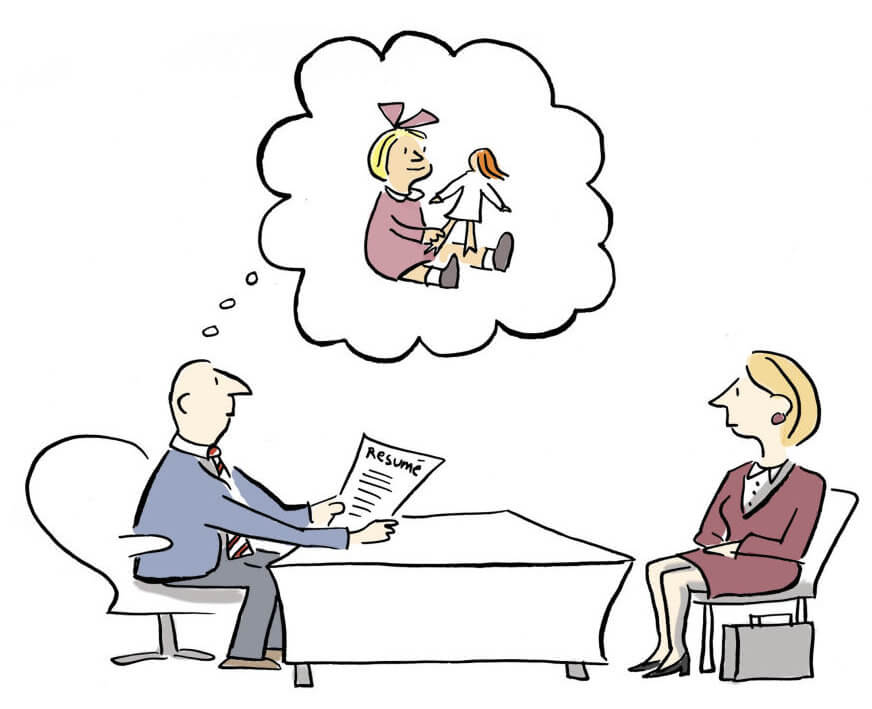
Specialist three-hour Unconscious Bias and EDI training combining essential equality and inclusion principles with practical techniques for recognising and reducing bias at work.
Unconscious bias training with equality, diversity and inclusion threaded throughout
This specialist three-hour programme combines practical unconscious bias training with essential equality, diversity and inclusion learning. It is designed particularly for organisations that want to address bias but whose delegates have not recently completed broader EDI training. Rather than treating bias in isolation, the course connects assumptions and decision-making with fairness, inclusion, workplace behaviour and organisational practice.
Unconscious bias makes more sense when it is understood within the wider context of equality, diversity and inclusion.
However, organisations do not always have the time available for separate full-length EDI and unconscious bias programmes.
This focused three-hour course provides a practical alternative. Delegates receive an accessible grounding in essential EDI principles while exploring how automatic assumptions and mental shortcuts can influence workplace behaviour and decisions.
This is not a shortened copy of our full Unconscious Bias course. It has been designed specifically as a combined half-day programme, with equality, diversity and inclusion integrated throughout the session for organisations needing a focused learning solution.
Human beings process large amounts of information quickly. To do this, we use mental shortcuts, patterns and previous experience.
These processes can be useful, but they can also influence how we interpret people and situations without deliberate intention.
Unconscious or implicit bias can affect expectations, judgements and behaviour. Awareness is therefore useful, but awareness alone is not enough: organisations also need processes and behaviours that reduce opportunities for irrelevant assumptions to influence important decisions.
The course explores the relationship between stereotypes, assumptions, prejudice and bias without treating these concepts as interchangeable.
Delegates consider how repeated messages, personal experiences, organisational culture and wider social influences can shape expectations about people and groups.
Because this course is designed for groups that may not recently have completed EDI training, essential equality and inclusion principles are woven into the discussion.
Delegates consider why treating everybody identically does not always produce fair outcomes, how workplace barriers can affect different people and why inclusive practice requires attention to both individual behaviour and organisational systems.
The course is suitable for employees, managers and teams across all sectors, particularly where an organisation wants a focused introduction to unconscious bias alongside essential equality, diversity and inclusion learning.
No previous unconscious bias or EDI training is required.
Recognise where assumptions and mental shortcuts may influence judgement.
Slow down important decisions and test assumptions against relevant evidence.
Use better behaviours and processes to reduce the impact of bias.
Bias can affect who is noticed, trusted, listened to, selected, developed or given opportunities.
Its effects may appear in recruitment, task allocation, performance discussions, progression, meetings, informal networks and everyday interactions.
The course helps delegates identify points where greater structure, evidence and reflection can improve decision-making.
It can be tempting to treat unconscious bias solely as something inside an individual's mind.
Organisational processes can either reduce or amplify its effects. Vague criteria, unstructured decision-making and reliance on "gut feeling" can provide greater opportunity for assumptions to influence outcomes.
Clear criteria, structured processes, appropriate challenge and accountability can help produce more consistent decisions.
Knowing that everybody can be influenced by bias does not make every decision fair. The practical question is what individuals and organisations can do differently once that possibility is recognised.
Feeling more comfortable with or positively towards people who seem familiar or similar to ourselves.
Giving greater attention to information that appears to support an expectation we already hold.
Allowing one positive or negative impression to disproportionately influence our wider judgement of somebody.
A manager repeatedly chooses the same employees for high-profile projects because they are seen as reliable and a "safe pair of hands".
Other employees receive fewer opportunities to demonstrate their capability, which then reinforces the manager's belief that the original group has more experience.
Delegates examine how apparently sensible decisions can create self-reinforcing patterns and consider ways of allocating development opportunities more transparently.
A colleague regularly contributes ideas in meetings, but those ideas receive little attention until another team member makes a similar suggestion.
Delegates consider how meeting structure, status, communication style and expectations can influence whose contribution is noticed and what inclusive meeting practices can help.
A new employee is assumed to need additional help with a particular task because a colleague associates their background with a previous employee's performance.
The scenario explores stereotyping, individual evidence and how apparently helpful assumptions can still restrict opportunity.
Recruitment provides a clear example of where structured decision-making can help.
Consistent criteria, structured shortlisting, appropriately designed interviews and evidence-based scoring can reduce reliance on intuition and irrelevant assumptions.
Delegates also consider how bias can affect attraction, job descriptions, perceptions of "fit" and assessments of potential.
Not every consequence of bias involves a formal HR decision.
Who gets interrupted, who receives informal information, whose mistakes are remembered, who is invited into networks and who is assumed to have particular interests or responsibilities can gradually shape people's workplace experience.
People are not defined by one characteristic.
Different aspects of identity and experience can interact, and stereotypes may operate differently depending on combinations of race, sex, disability, age, social background and other factors.
The course therefore avoids treating demographic groups as if everybody within them has the same experience.
The purpose of the course is not to encourage delegates to search endlessly for hidden prejudices or to feel guilty about automatic thoughts.
Instead, participants identify practical points where they can slow down, question an assumption, seek better evidence, change a process or challenge a pattern.
By the end of this focused three-hour course, delegates should be better able to:
This specialist course is tailored to ensure the training reflects your organisation's goals, workplace practices and priorities while retaining its focused three-hour format.
The course can be delivered face-to-face or online via Zoom or Teams.
This is a focused three-hour half-day course combining Unconscious Bias training with essential equality, diversity and inclusion learning.
To support participation, discussion and interaction, we recommend the following group sizes per session:
Need to train a larger workforce? No problem. The three-hour programme can be delivered to multiple groups, including two separate half-day sessions on the same day where appropriate.
Please note: the half-day rate is not always available for face-to-face sessions.
Over 25 years' experience delivering equality, diversity and inclusion training, consultancy and professional development.
Keep updated with the latest equality and diversity news, offers and updates.